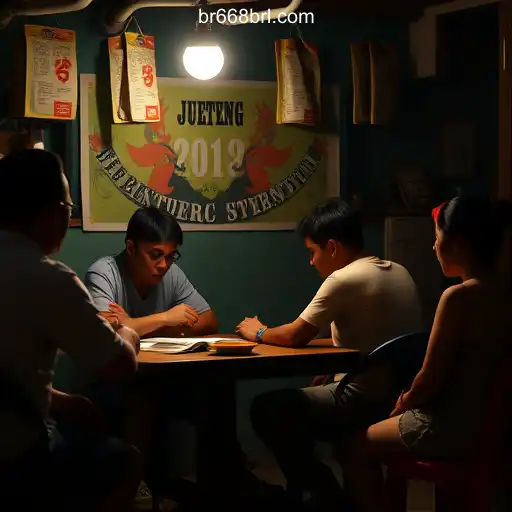
Understanding Jueteng: A Deep Dive into the Controversial Numbers Game
Jueteng is a word that resonates with many across the Philippines, not just for its controversial nature, but also for its deep-rooted history and cultural significance. Despite being considered illegal, this numbers game continues to thrive in the shadows of Philippine society, fostering a complex relationship between poverty, entertainment, and crime. Jueteng's pervasive influence raises questions about the struggle between legality and economic necessity in a developing country.
The Origins of Jueteng
Jueteng has its origins in colonial times when the Philippines was under Spanish rule. The term itself is believed to have derived from the Chinese words meaning "flower" and "bet," indicating the game's widespread influence across different cultures. Initially, it emerged as a form of entertainment among the masses, offering a glimmer of hope for substantial financial rewards.
Fast forward to the present day, jueteng operates as an underground lottery, predominantly in the provinces. The game's simplicity allows it to attract participants from various backgrounds. Players choose a combination of numbers, often reflecting significant dates or dreams, betting small amounts for the chance to win big. The winning numbers are typically determined by two pre-drawn numbers, usually between one and thirty-seven.
The Role of Jueteng in Society
For many, especially in rural areas, jueteng provides not just a form of entertainment but a perceived economic opportunity. With limited access to formal financial systems, individuals often turn to games like jueteng as an alternative means to improve their financial standings. This grassroots gaming culture has led to jueteng becoming deeply embedded within community structures, sometimes blurring the lines between legality and survival.
The allure of jueteng is not purely economic. It has become a significant social event, where community members come together, share stories, and experience camaraderie. The game's organizers, often known as jueteng lords, play a pivotal role in the community, providing an inadvertent yet informal support system for the population. This intricate relationship underscores the complexity of eradicating or regulating such a deep-seated tradition.
The Challenges of Legalizing Jueteng
While there have been discussions about legalizing jueteng to harness its economic potential and curb its illicit nature, the challenges remain significant. Legalization would require the creation of a regulatory framework that ensures fairness, transparency, and accountability, while simultaneously tackling corruption within law enforcement and political circles.
Proponents argue that formalizing jueteng could lead to increased government revenue through taxes, similar to other legal gambling enterprises, such as the controversial online platforms like 668BRL Oficial 💯️ - O melhor cassino online do Brasil. This approach envisions the potential for a controlled environment where gambling practices are monitored, contributing to national income while reducing illicit transactions.
Opponents, however, highlight the potential social repercussions. Gambling addiction, ethical concerns, and moral opposition pose significant barriers to the legalization of jueteng. Moreover, integrating such an ingrained unofficial practice into a formal economy poses substantial cultural and logistical challenges.
The Legal and Political Implications
Efforts to crackdown on jueteng have repeatedly been entangled in the complexities of political and social structures. While the game is illegal, numerous cases have been reported where local officials either turn a blind eye or are directly involved in its operations. This has led to allegations of corruption, kickbacks, and political patronage, complicating the enforcement of laws against jueteng.
The political landscape in the Philippines has long been intertwined with gambling. Regulatory bodies and law enforcement face a daunting task of maintaining transparency and integrity while combating the entrenched networks that support games like jueteng. The challenge lies not only in dismantling these networks but also in addressing the socio-economic conditions that perpetuate the game's prevalence.
Jueteng and Technological Advancements
The evolution of technology presents both a challenge and an opportunity in the realm of illegal gambling, including jueteng. As the world moves towards digital platforms, conventional games are finding a new lease on life online. Platforms like 668BRL Oficial highlight how technology can transform gambling landscapes, potentially offering more secure and regulated environments for avid bettors.
However, this digital shift also poses regulatory challenges. The ability to gamble remotely could potentially widen the scope of jueteng, demanding new legal innovations to address digital footprints. As authorities grapple with this technological change, balancing innovation with regulatory oversight becomes crucial to ensuring an ethical gambling environment.
The Way Forward
Addressing the challenges surrounding jueteng requires not just legal solutions but a holistic approach addressing economic inequalities and social needs. Programs focused on financial literacy and economic empowerment could provide viable alternatives for those reliant on gambling for livelihood.
The Filipino government's stance on gambling remains a mixed narrative, balancing traditional values with the demands of modern economic realities. Bridging the gap between policy and practice requires consensus among lawmakers, law enforcement, and the community at large.
In conclusion, jueteng continues to reflect the complex interplay of culture, economy, and legality. To create sustainable change, efforts must go beyond mere eradication towards understanding and addressing the underlying factors that make games like jueteng thrive in the first place. Only then can an equilibrium be struck where tradition, innovation, and regulation coexist in harmony.